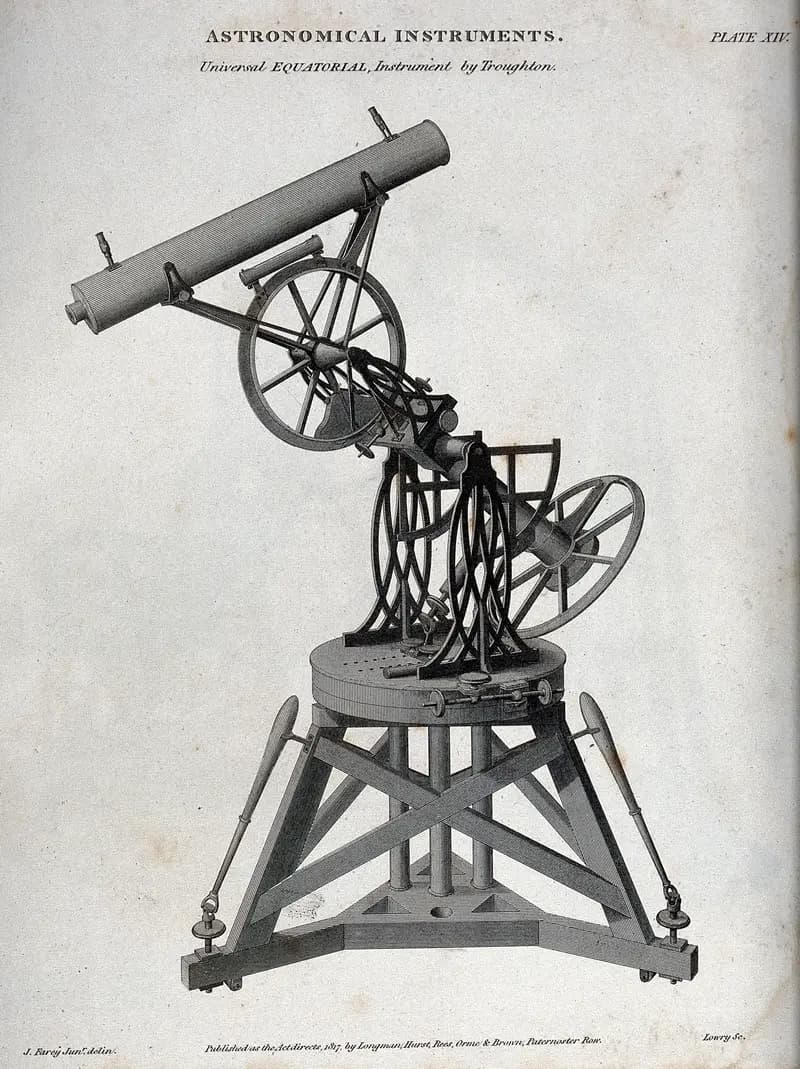
The 16-inch reflector
In the north dome, on a mount that finds and follows anything you name. Galaxies, faint nebulae, and star clusters broken into thousands of points.
Dark-sky observatory and lodge, Northumberland
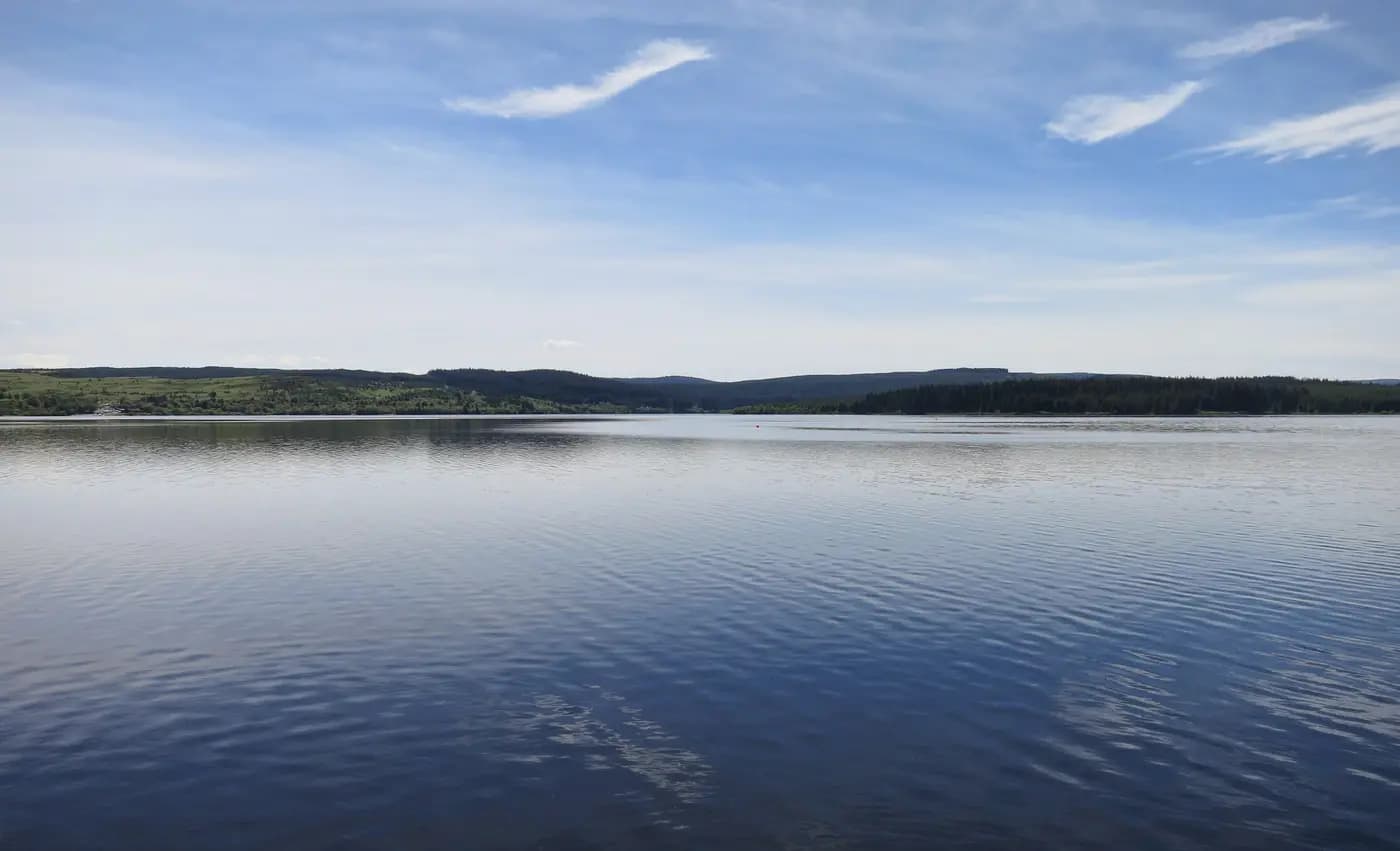
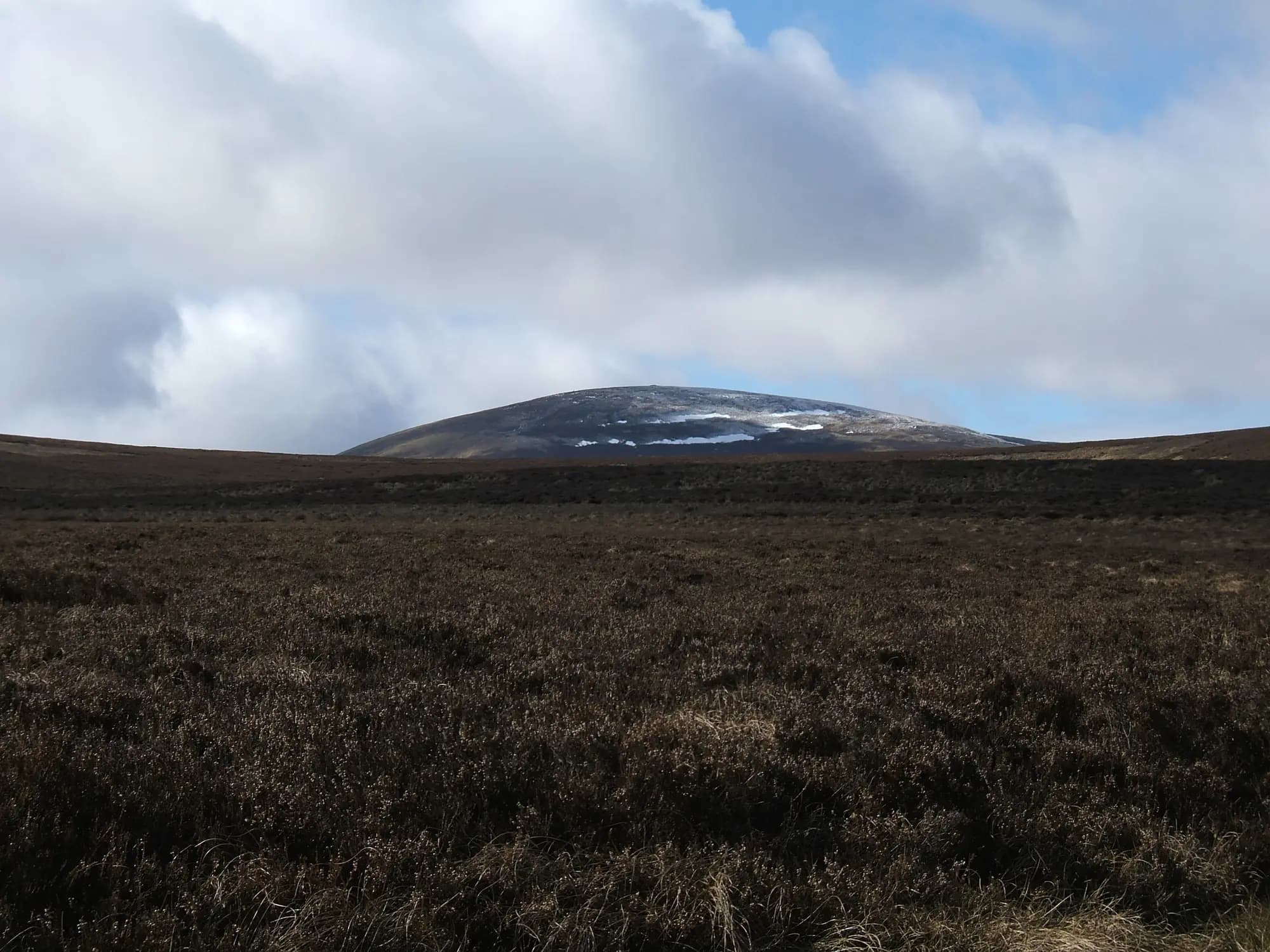
Two telescope domes and a six-room lodge high on a Northumberland fell, nineteen miles past the last streetlight.
17:15
An umbra is the darkest part of a shadow, and night is the Earth's own. Up here, with no town for miles, you see what it holds.
18:30
A night here starts in daylight. You arrive by six, eat supper at one long table, and hear what the sky is doing tonight. By half past six the Milky Way is overhead.
21:00
White light goes off from the lodge to the domes. Red torches, red path lights, phone screens on night mode.
21:20
That is how long your eyes take to adjust. Then the faint stars arrive, and the Milky Way is simply there, from one side of the fell to the other.
In the north dome, on a mount that finds and follows anything you name. Galaxies, faint nebulae, and star clusters broken into thousands of points.
In the south dome. Sharp, steady views of the Moon, the planets and coloured double stars. The one children ask to go back to.
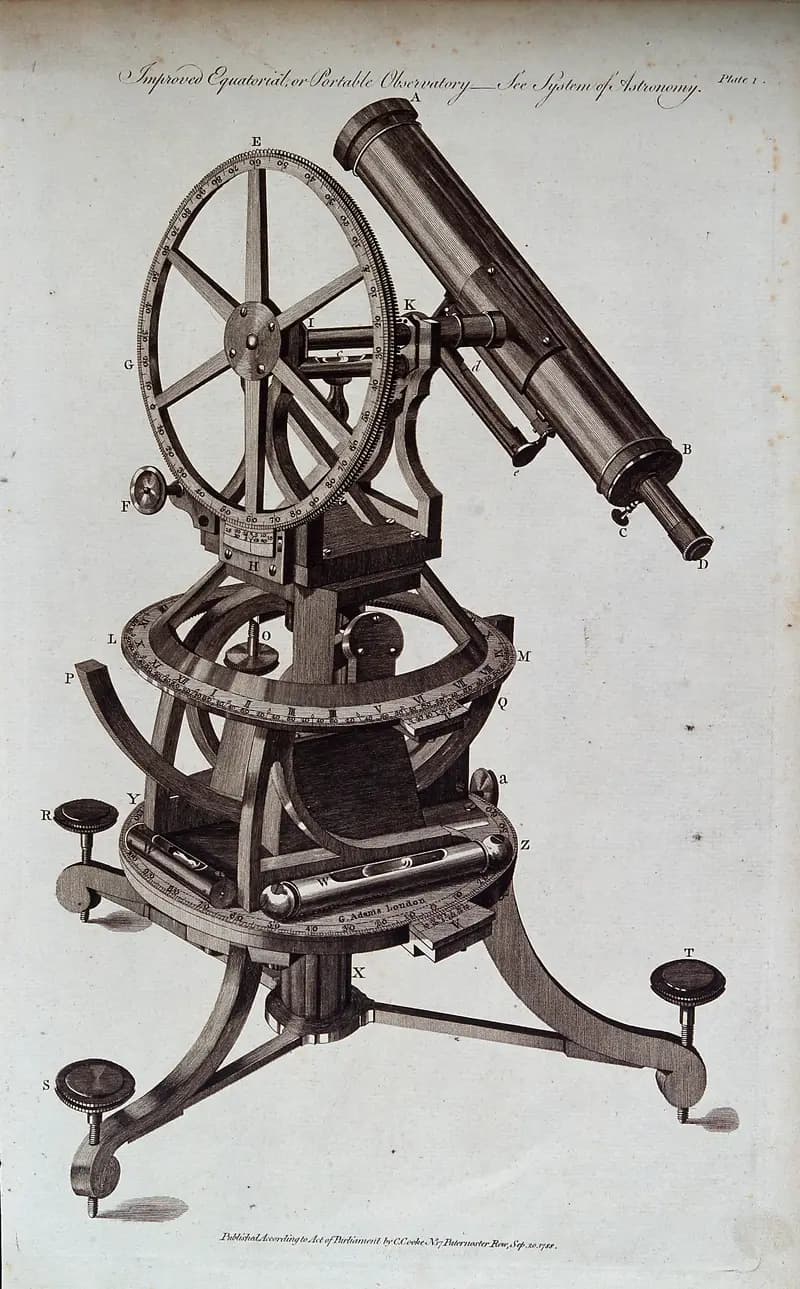
25 by 100 binoculars on a balanced arm, for the wide things a telescope crops: the Pleiades, the Double Cluster, the star clouds of the Milky Way.
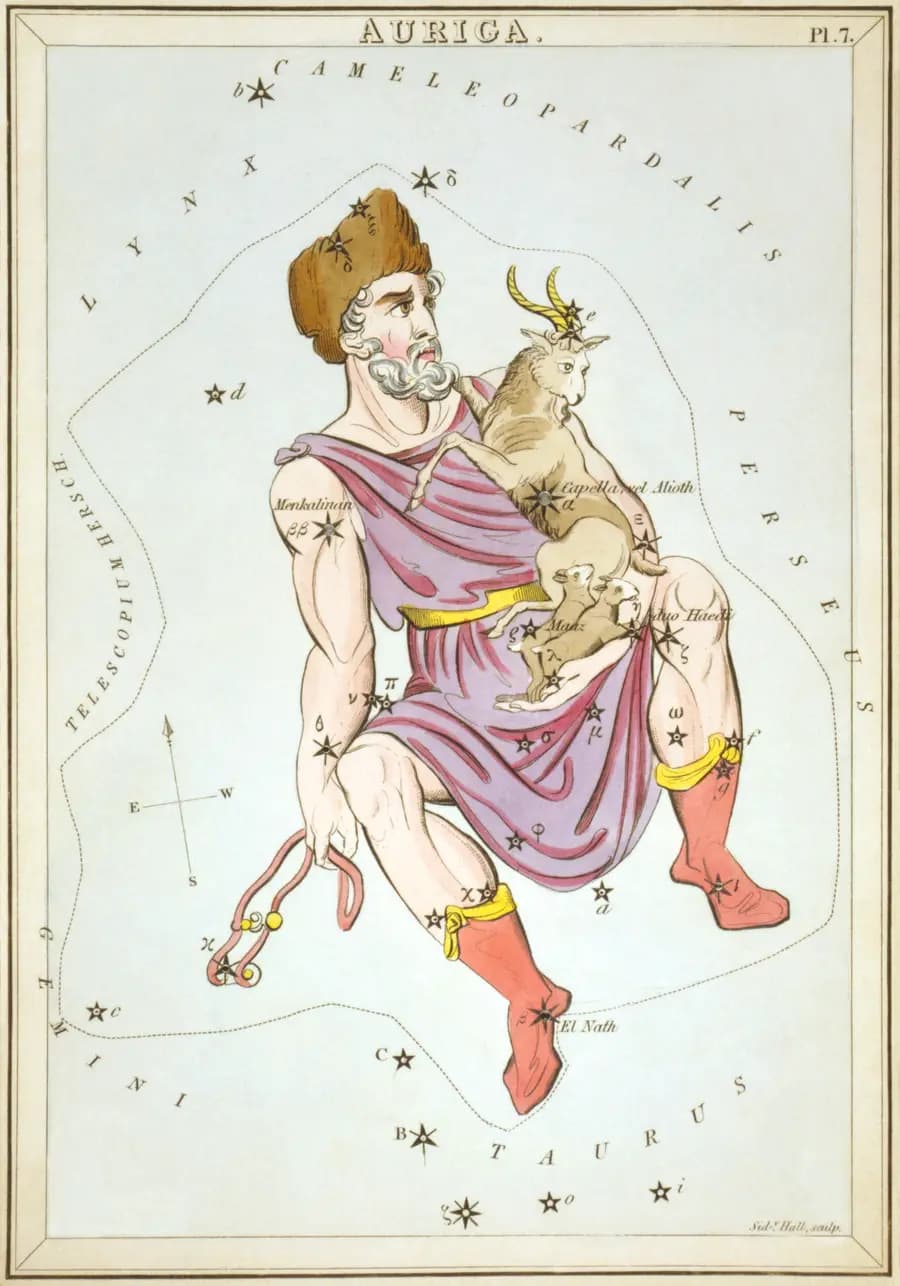
Every night starts with no equipment at all: twenty minutes for your eyes to adjust, then a tour of the sky by red torch. Two concrete piers with power wait for anyone bringing their own telescope.
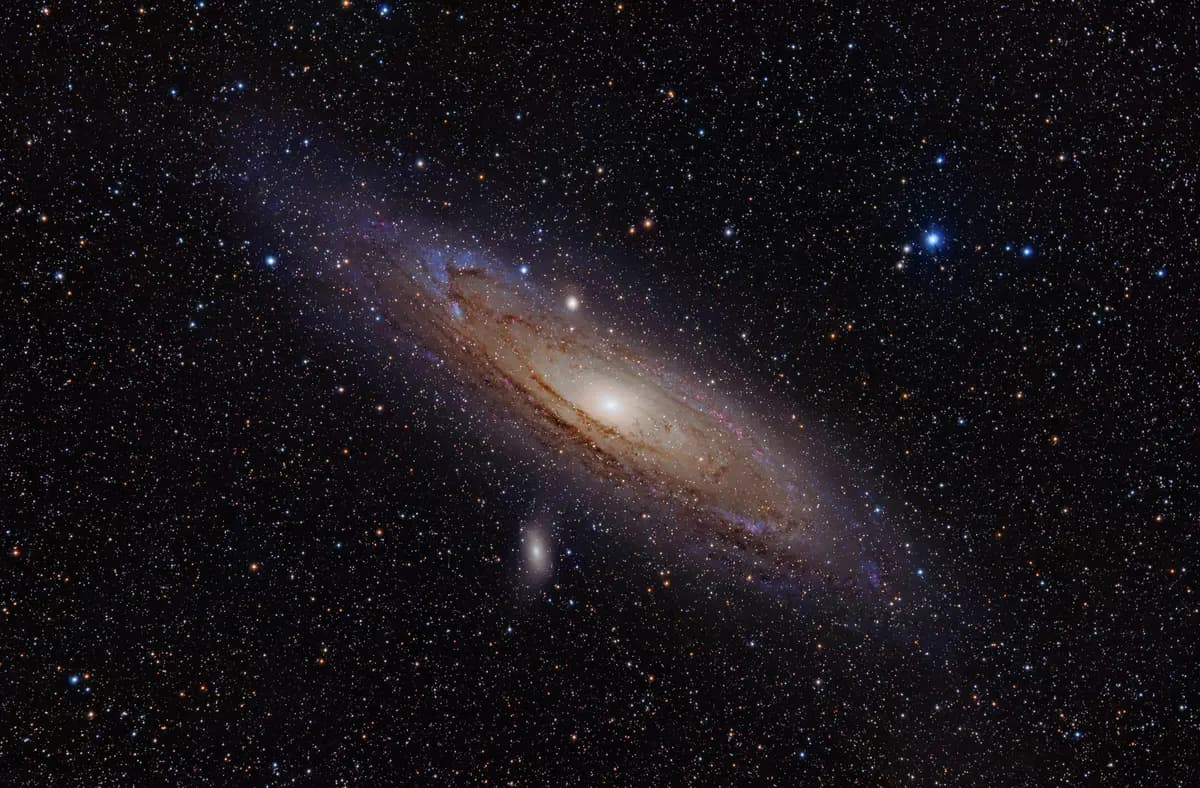
September to January
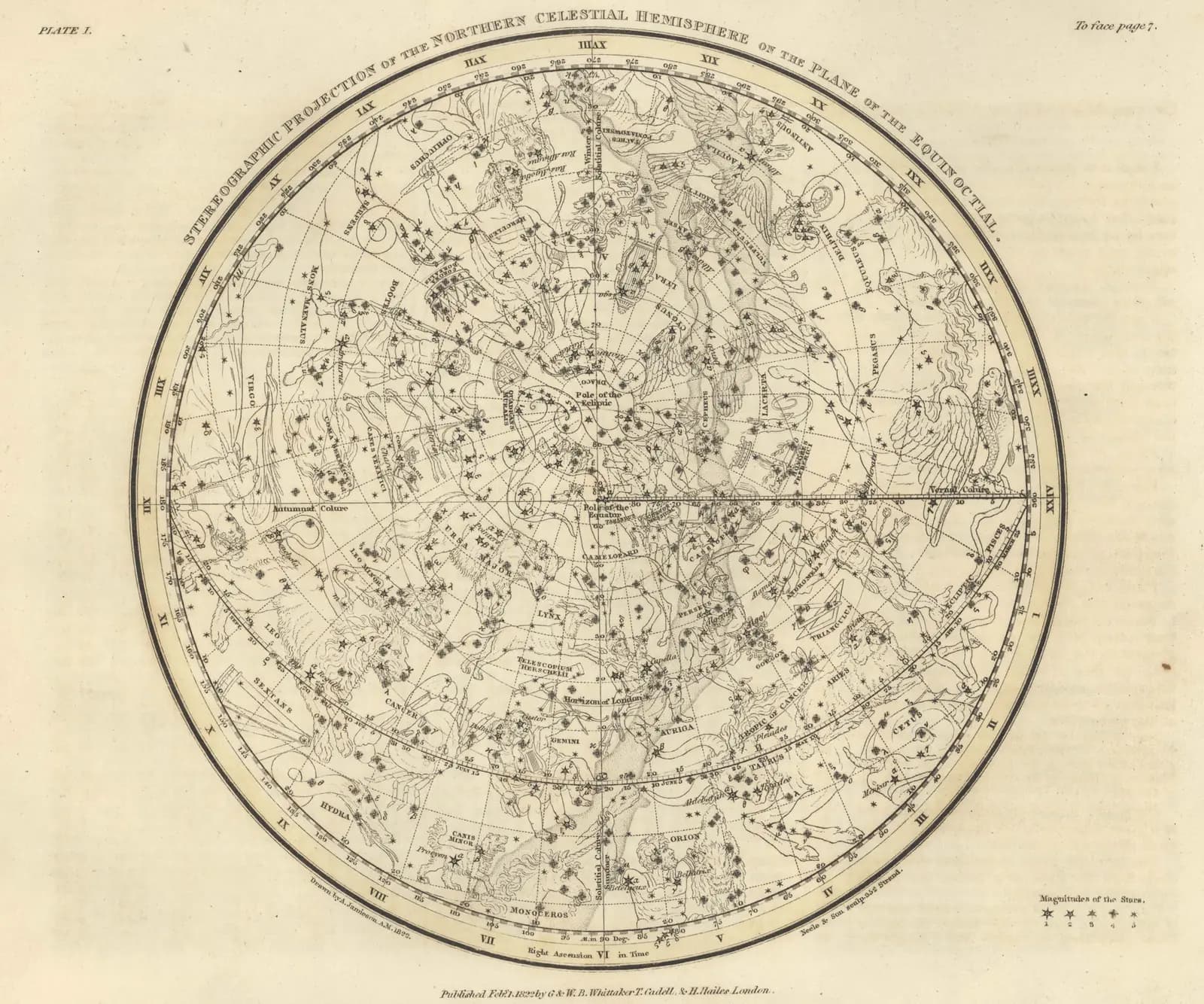
Two and a half million light years off, and a smudge you can see with your own eyes from the terrace.
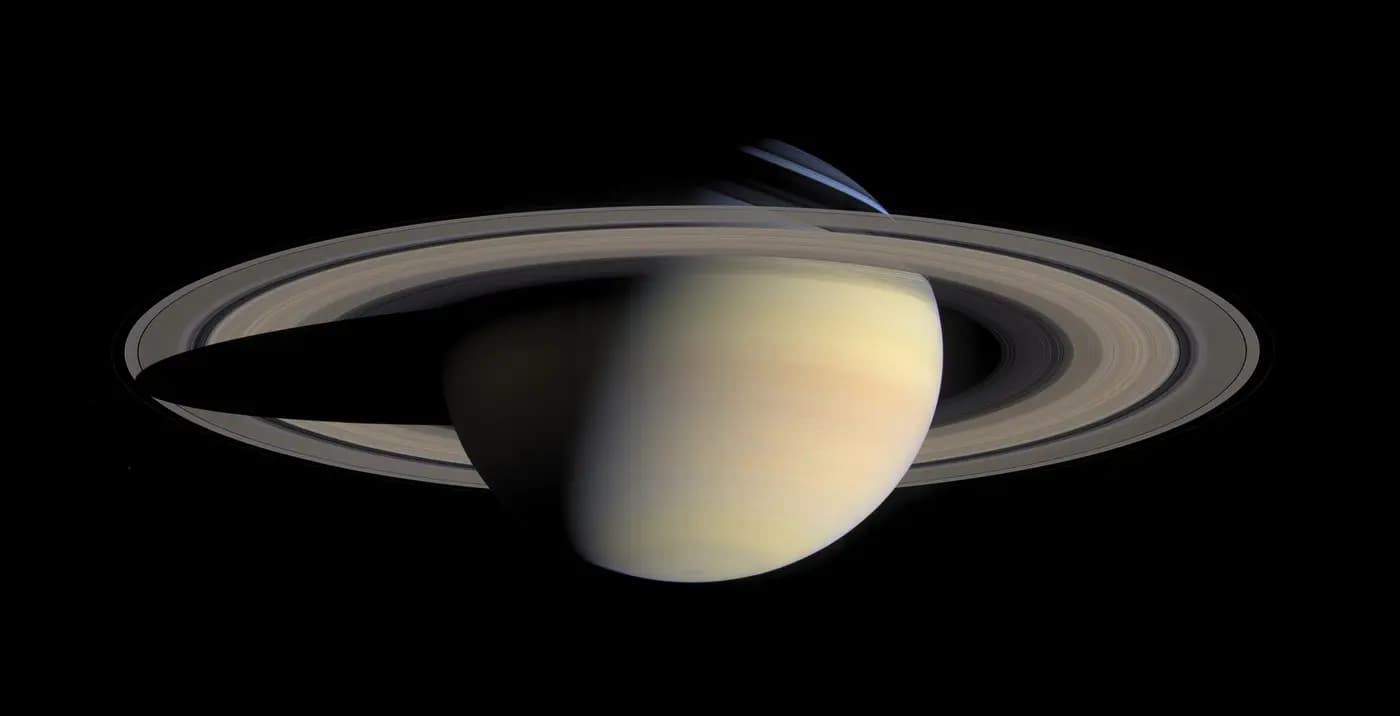
Autumn evenings, 2026
The rings and the moon Titan in the 6-inch refractor. The planets move year to year; we post each season's.
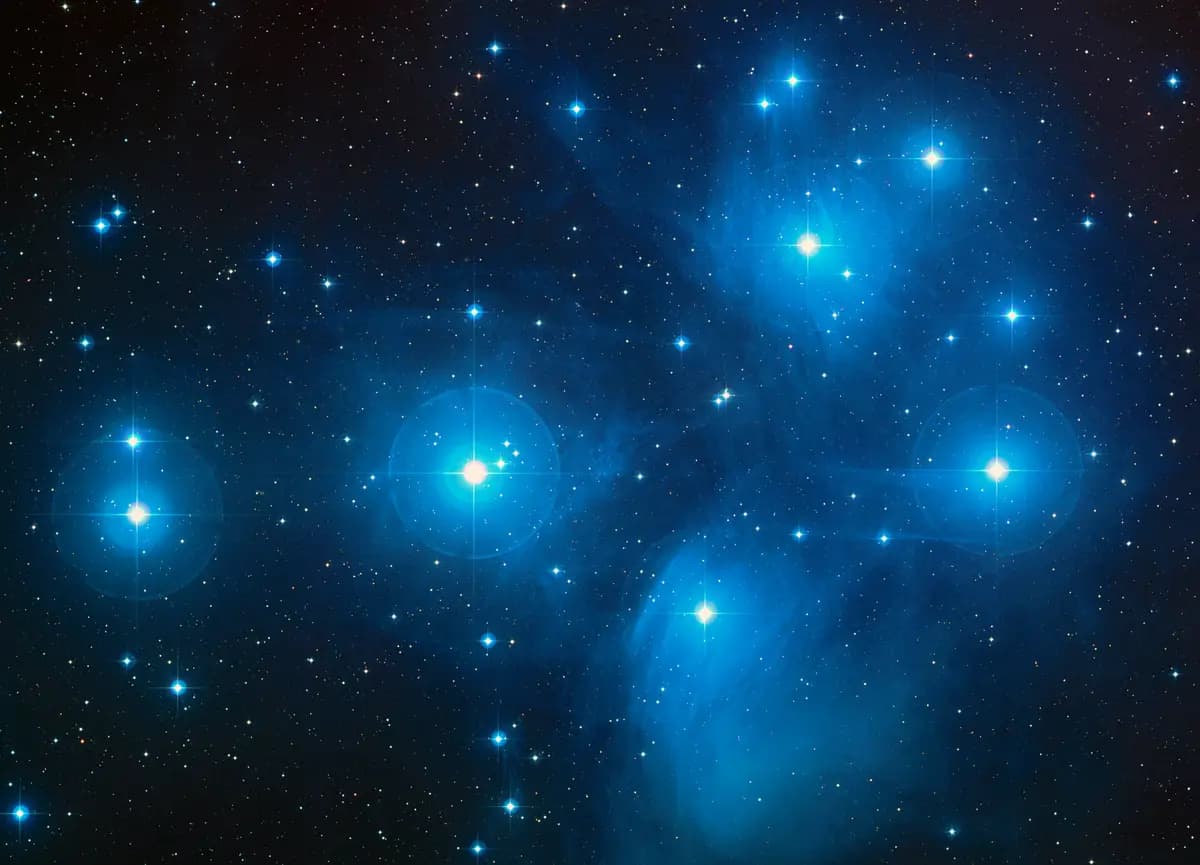
October to March
The Seven Sisters. Most people count six with their eyes, and over a hundred in the big binoculars.
December to March
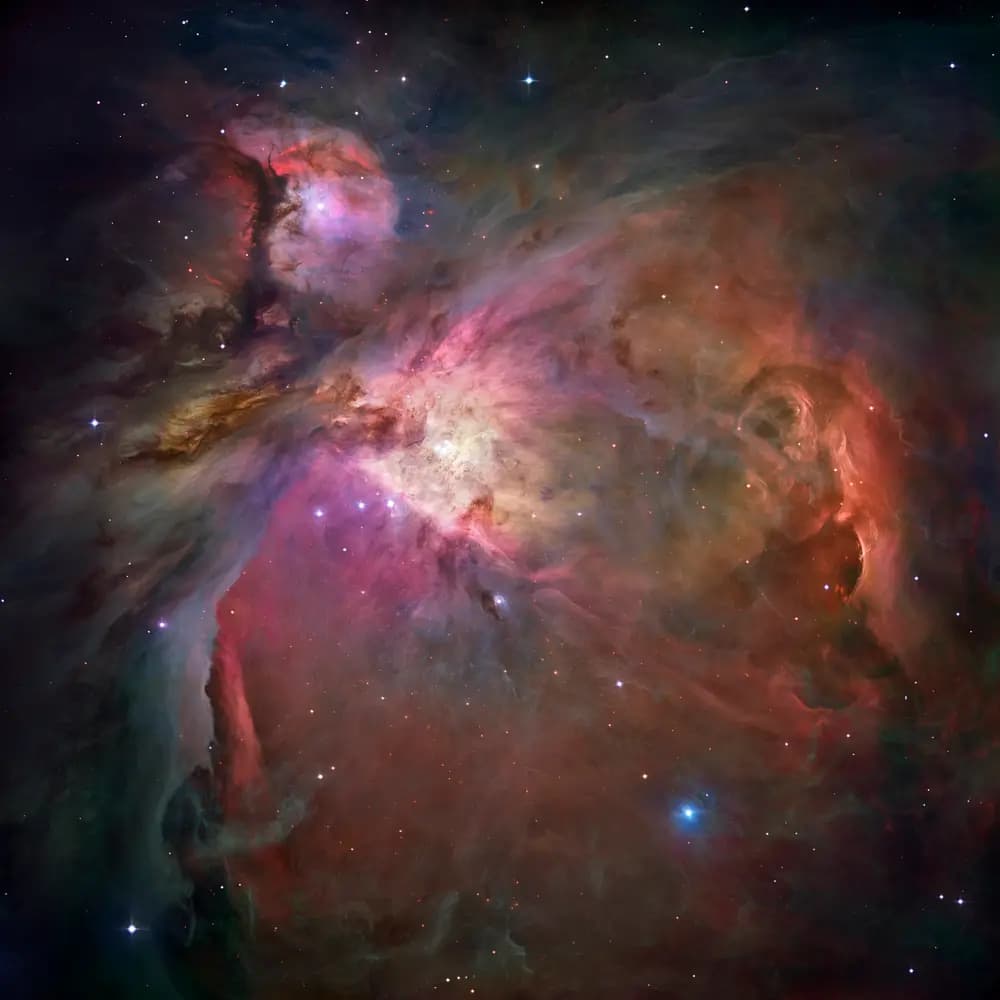
A nursery of new stars in Orion's sword. Grey-green to the eye in the 16-inch, with four young stars at its heart.
Every month
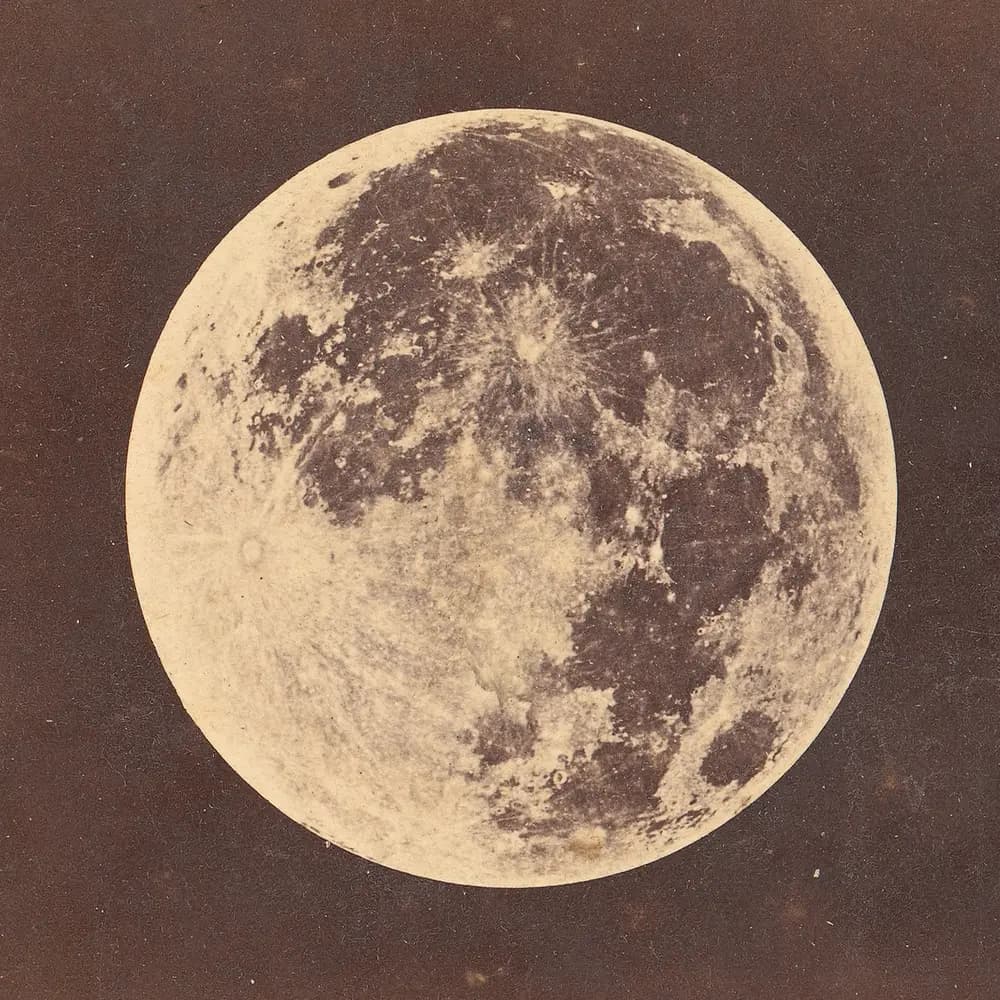
Deep-sky nights are booked away from full Moon. Moon nights are their own thing: craters at the edge of the shadow.
Mid-May to July: no observing
This far north the sky never gets fully dark in midsummer. The lodge stays open for walkers.
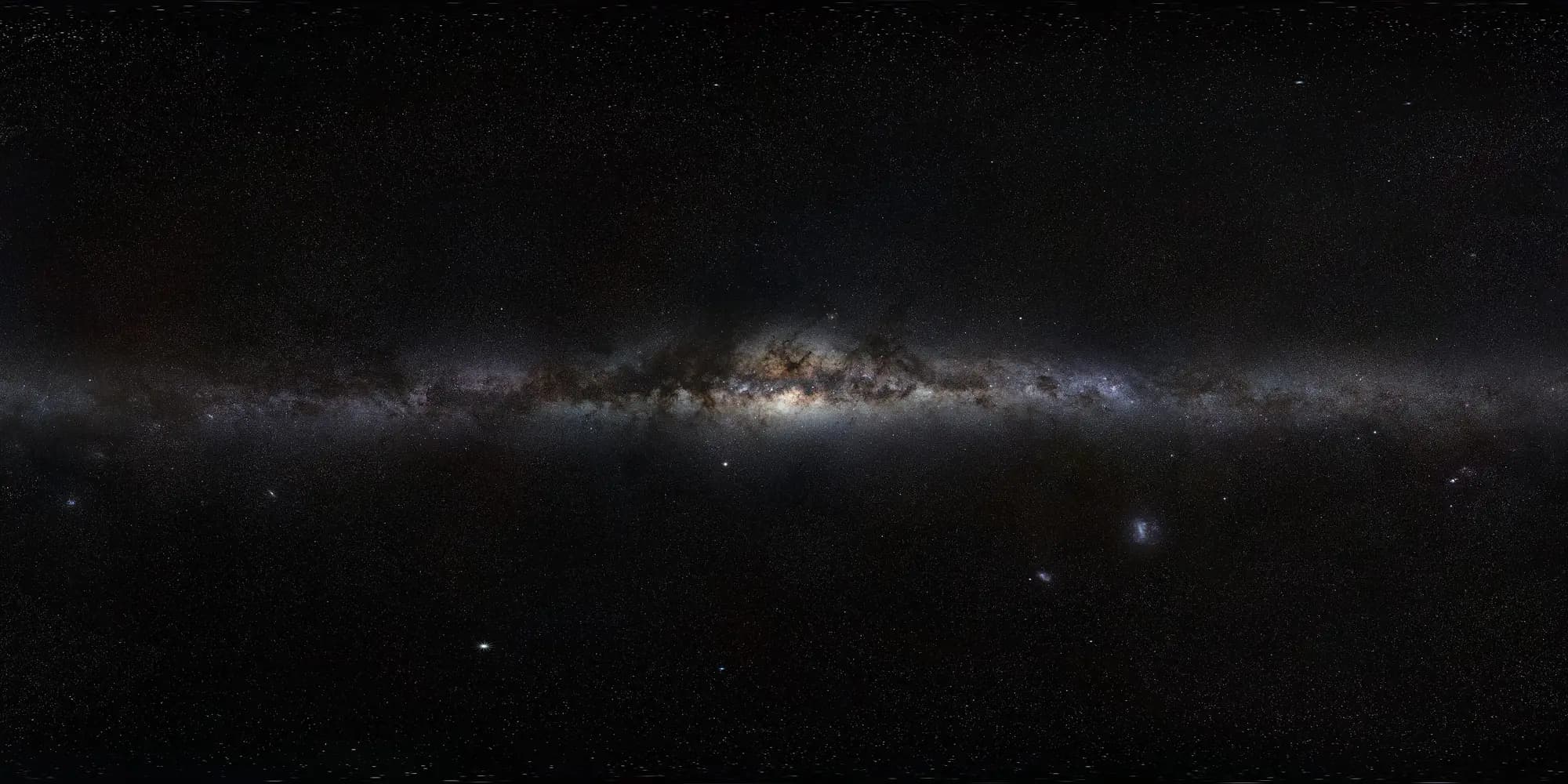
Photographs, greyed a little: to the eye these are fainter and paler.
Pick a date and an hour to see the sky over the fell, worked out from where the stars, Sun and Moon will really be. Choose a target to look at it.
00:30
Cocoa and toast in the warm room, with the night's log open. The domes close at half past one, later on the very clear nights if you ask.
Some nights
A few nights each winter the aurora shows low over the Cheviot: faint to the eye, green to a camera. Early November brings the Taurids too, slow and bright meteors.
06:00
A thin crescent Moon rises before the Sun. Bed when you like; breakfast runs until eleven, for obvious reasons.
Six rooms, all with blackout blinds and red night lights. Prices per night for two, breakfast included.
Observing nights, August to mid-May. Times follow the dark; these are November's.
Reception every day, 10:00 to 18:00
Observing from full dark until 01:30
The Tyne Valley line runs west along the river to Hexham in about 35 minutes.
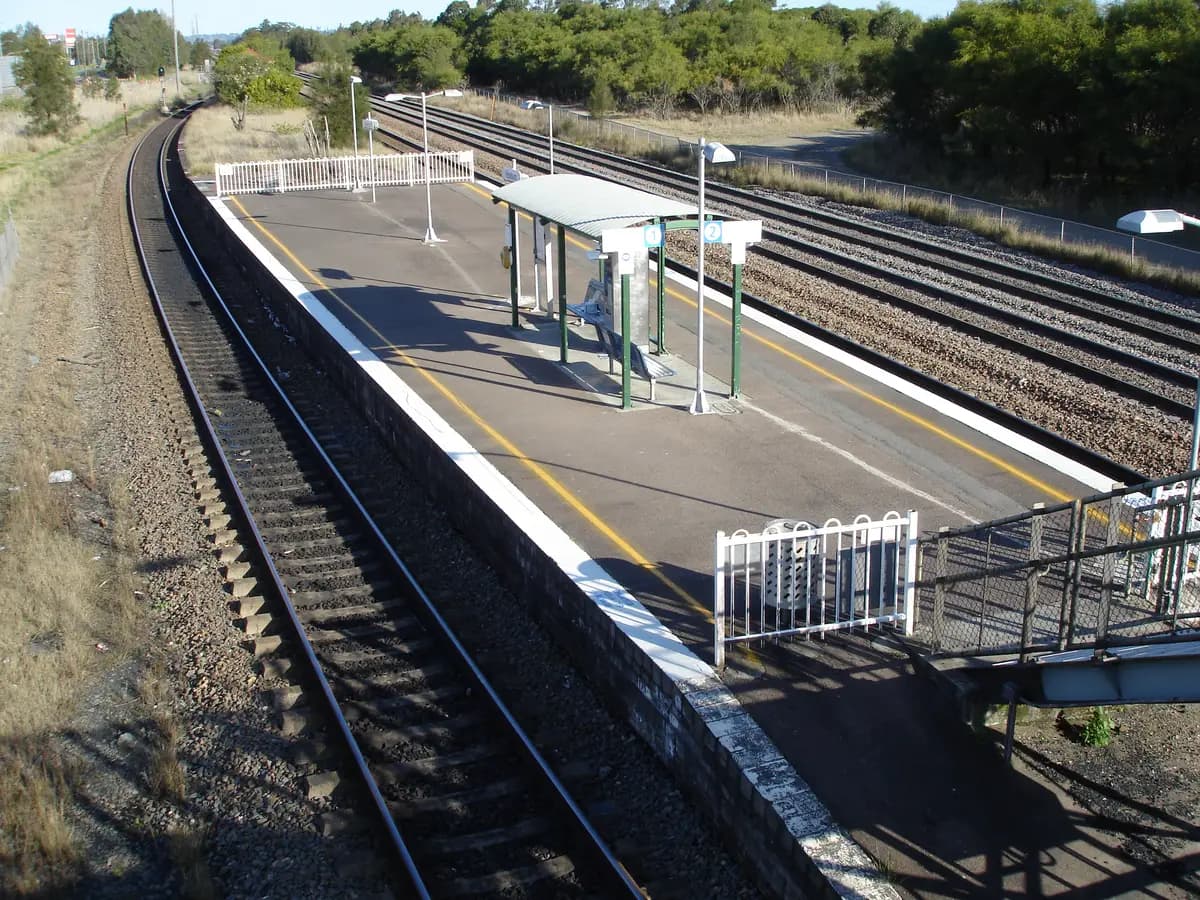
We collect from the station at 16:30 on observing days. By car it is forty minutes north.
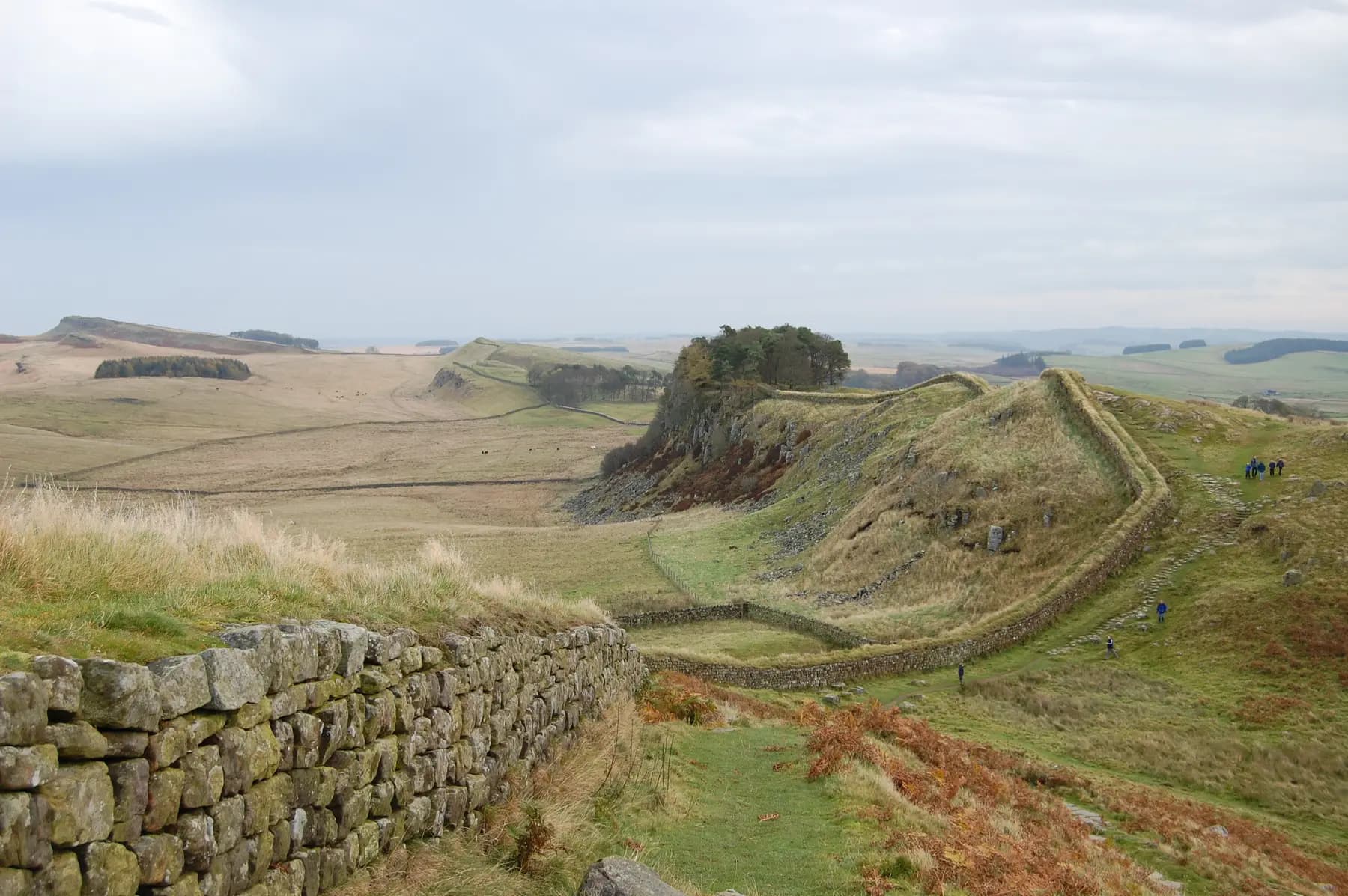
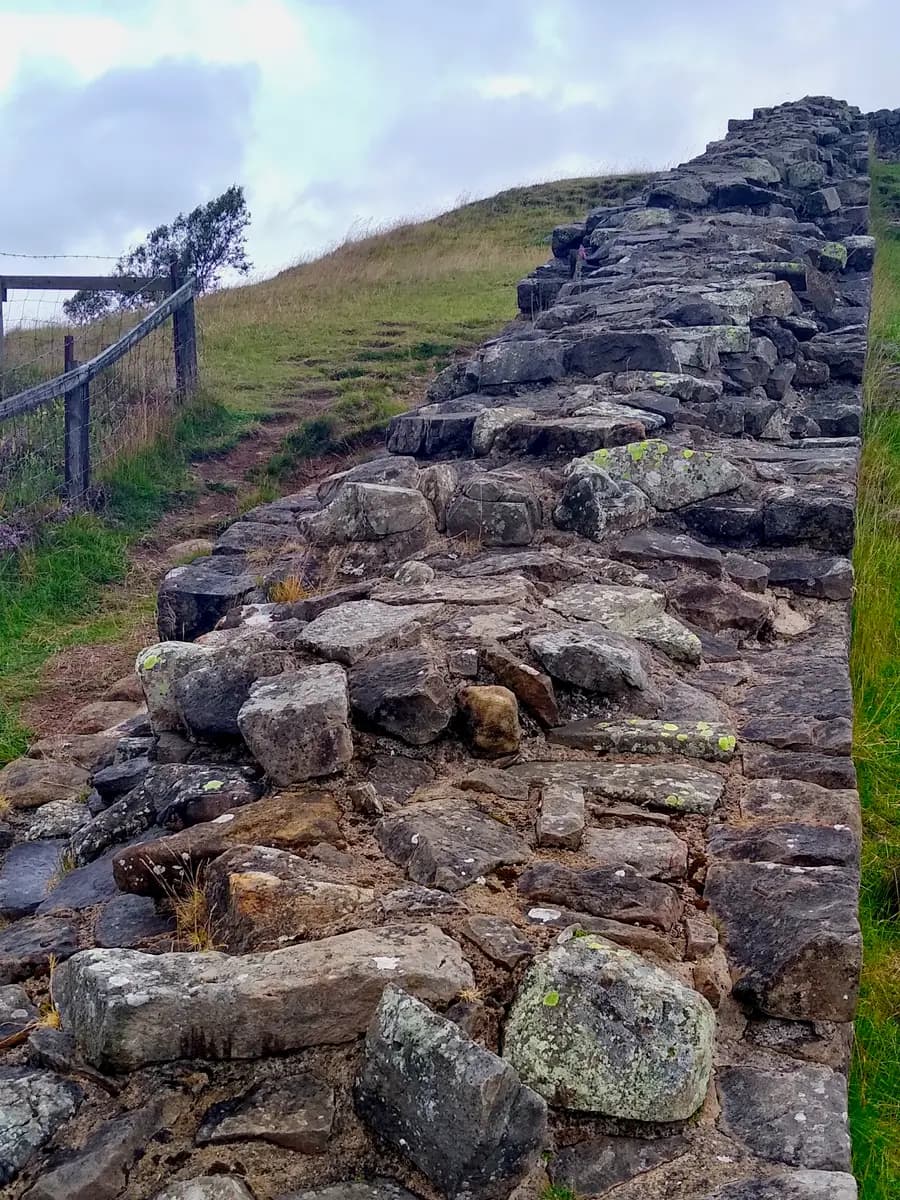
The road north crosses Hadrian's Wall at Chollerford, then the North Tyne.
Bellingham has the last shop and pumps. After that it is fell, forest and Kielder to the west.
A gated track. Dip your headlights after the cattle grid, as the sign asks. Someone will meet you.
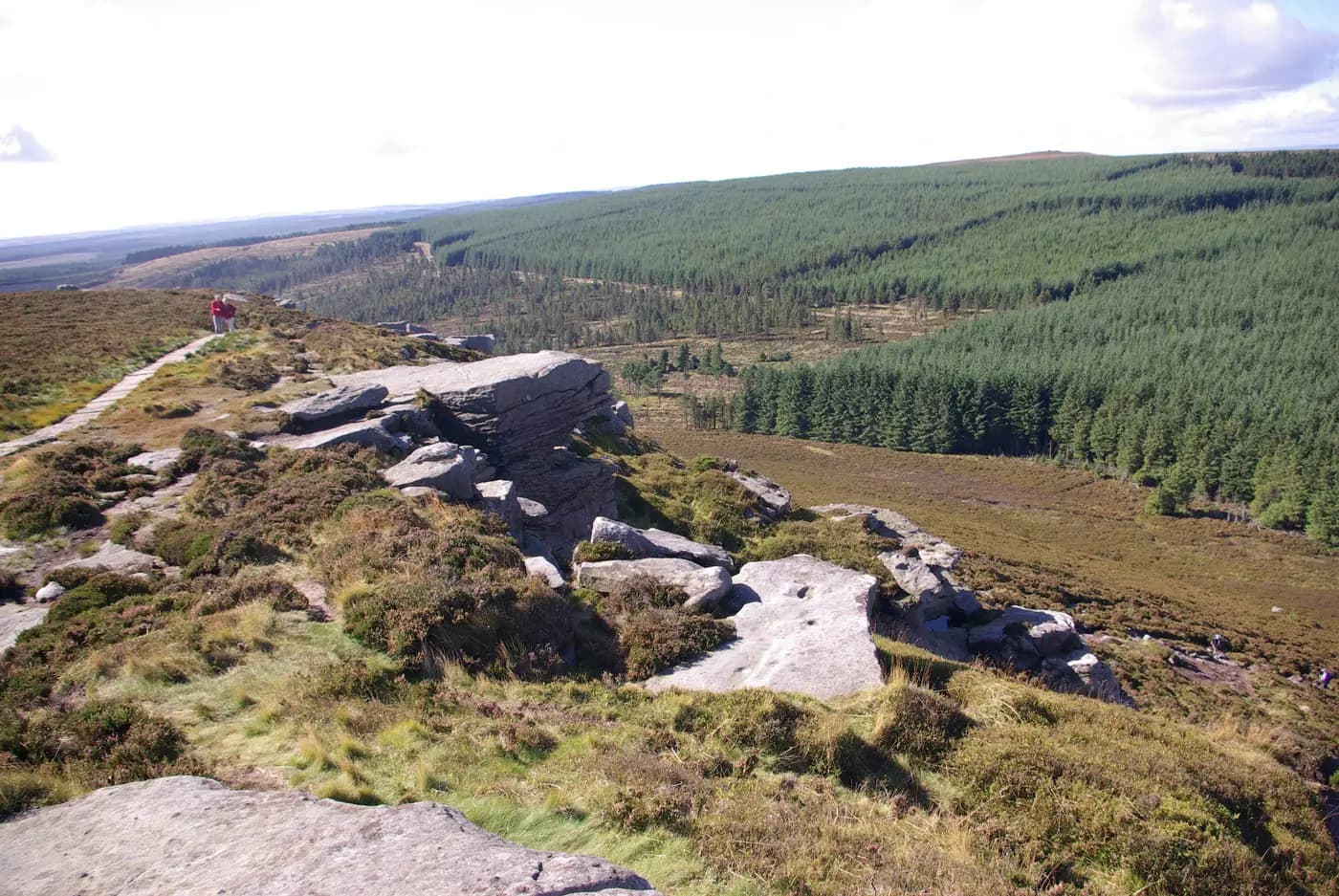
From December, carry a shovel and good tyres. Road news comes with the four o'clock call.
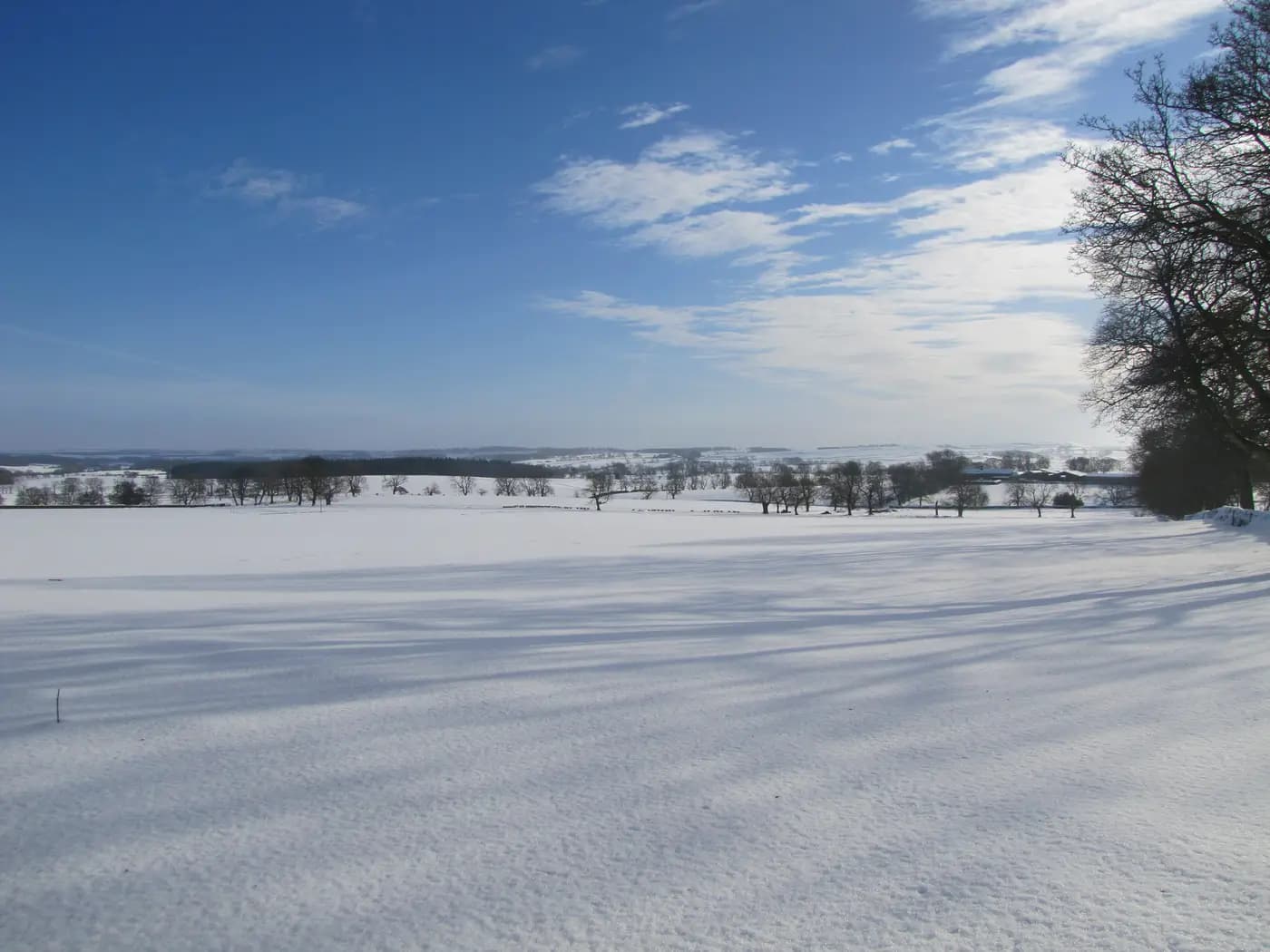
Postcodes up here cover miles of hill. Use NE48 to reach Bellingham, then our directions.
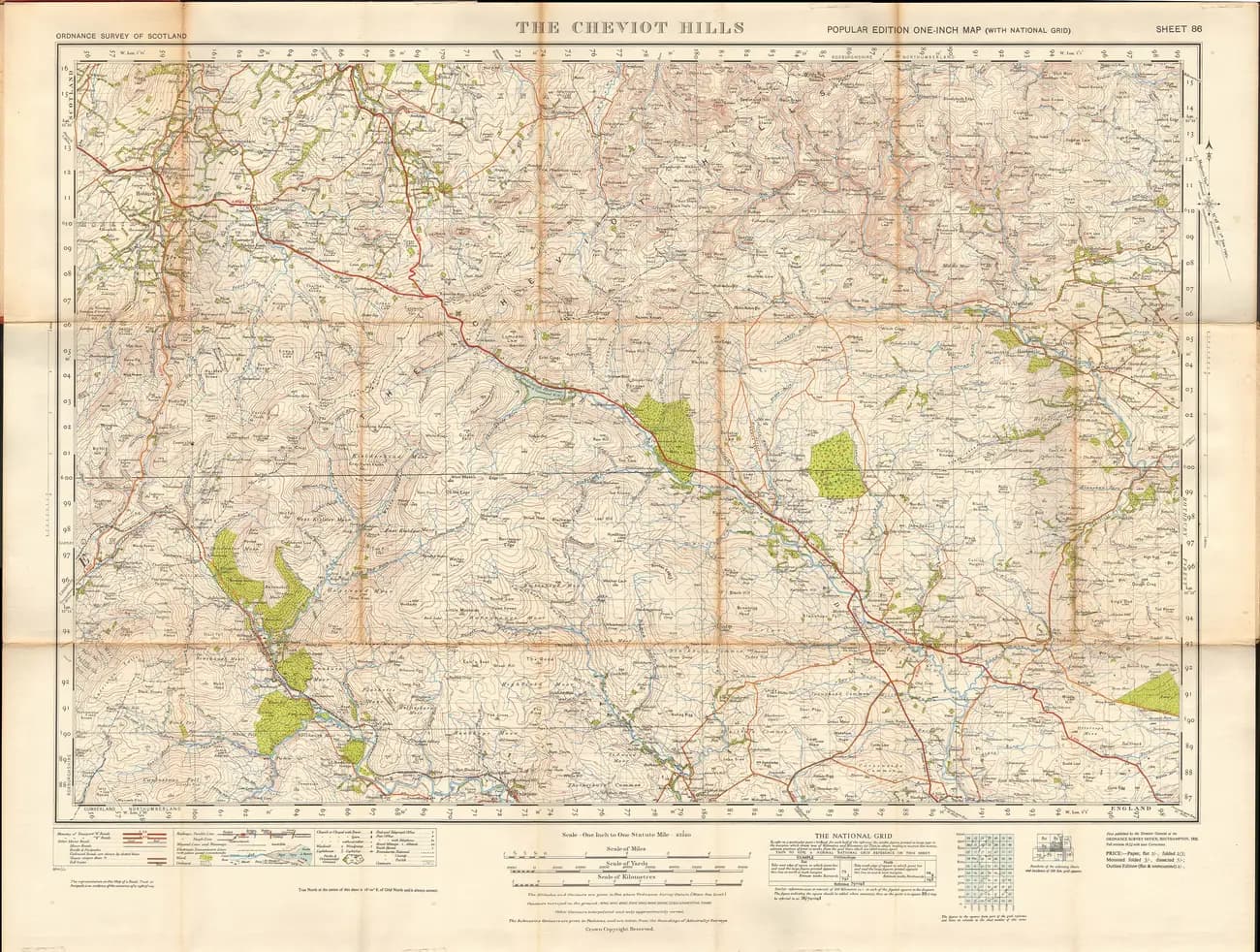
More layers than seems sensible, a hat, gloves and boots. Binoculars if you have them. Leave white torches at home: we hand out red ones, and phone screens go on night mode.
We make the clear-sky call at 16:00. If the domes will stay shut you can move your night to another date for free, or come anyway for the talk by the stove and a look at the meteorite box. The observing charge is refunded if you stay.
Cancel up to 14 days before arrival for a full refund. Inside 14 days we keep half the room price, unless we can relet the room. Cloud never costs you the observing charge.
The terrace sits at 330 metres. Winter nights reach minus six, and the wind finds every gap. We lend insulated boots and long coats in most sizes.
Yes. Children of eight and over can stay for the late domes; younger ones are welcome until 21:30, which is plenty on a winter night.
The lodge, the south dome and the terrace are step-free on firm paths. The north dome has a short ladder to the eyepiece; the same views are shown on a screen below.
Umbra Fell, near Bellingham
Northumberland NE48